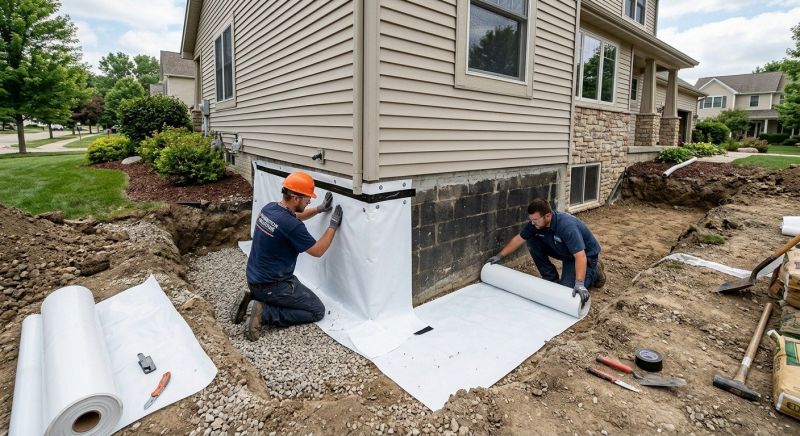
Vapor Barrier Installation in Fort Wayne, IN
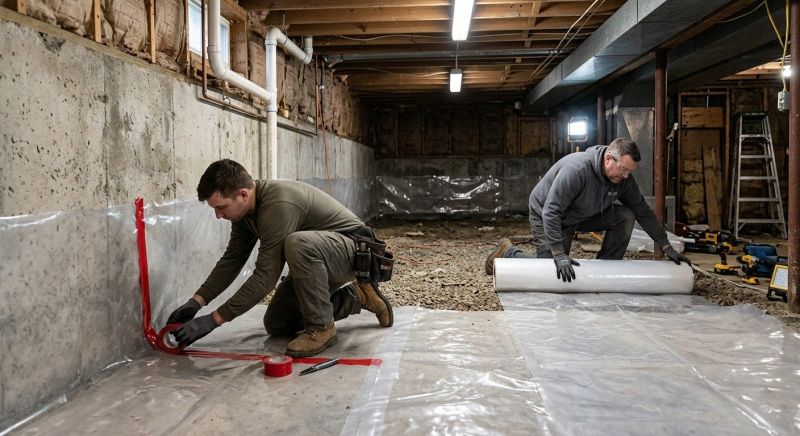
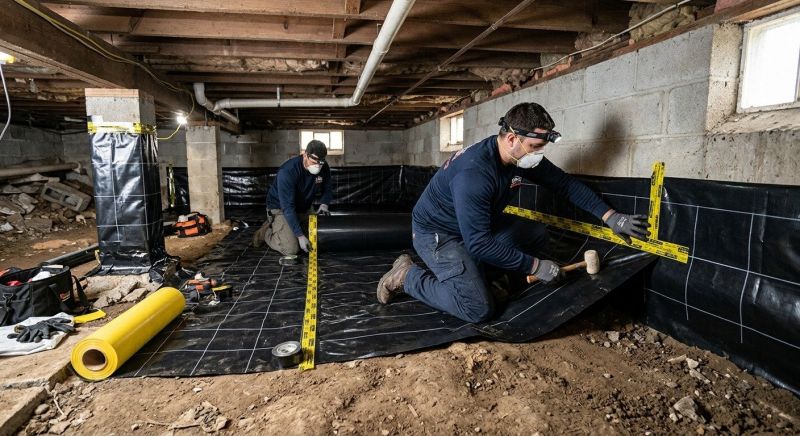
Vapor barrier installation is a service that involves placing a moisture-resistant layer beneath floors, in crawl spaces, or within basements to prevent ground moisture from seeping into the property. This barrier helps control humidity levels, reduce mold growth, and protect structural elements from water damage. Projects typically include installing vapor barriers in new construction, upgrading existing crawl spaces, or preparing areas for flooring installation, ensuring that moisture does not compromise the integrity of the space.
Homeowners considering vapor barrier installation often want to understand the types of materials used, the best placement for their specific property, and how the installation can improve indoor air quality and overall durability. It’s important to evaluate the current moisture levels, identify any existing issues with mold or water intrusion, and determine the appropriate size and type of barrier to meet the needs of the space. Proper installation can contribute to a healthier, more stable environment within the home.
Many property owners in Fort Wayne, IN look into Vapor Barrier Installation for repairs, replacements, upgrades, and appearance-related improvements.
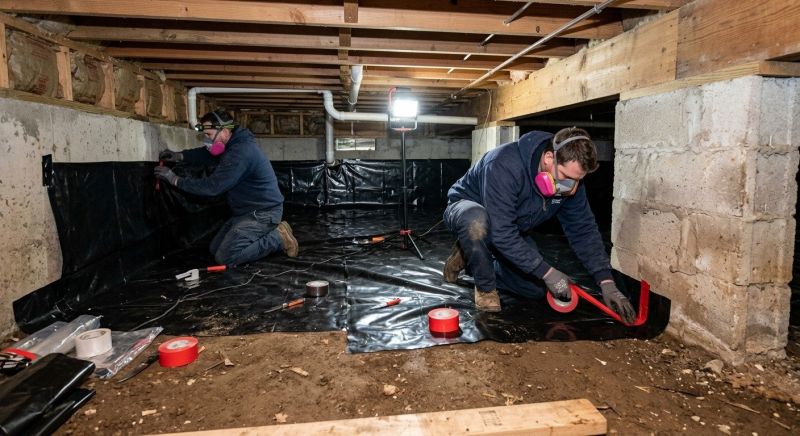
Benefits Of Vapor Barriers
Installing a vapor barrier helps prevent moisture buildup and reduces mold growth in basements and crawl spaces.
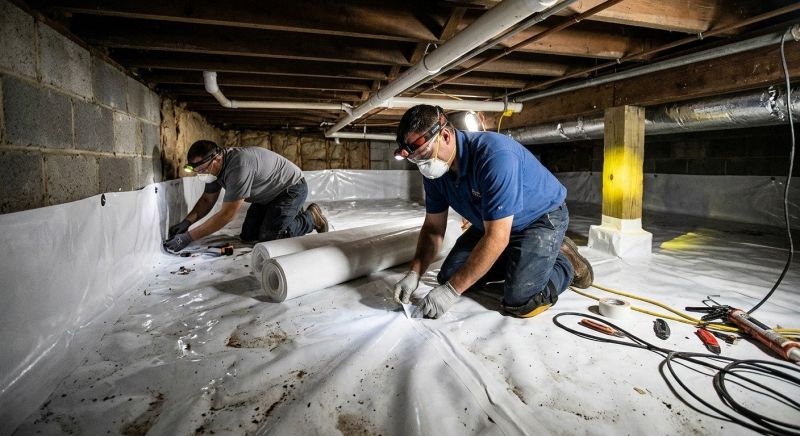
Common Installation Areas
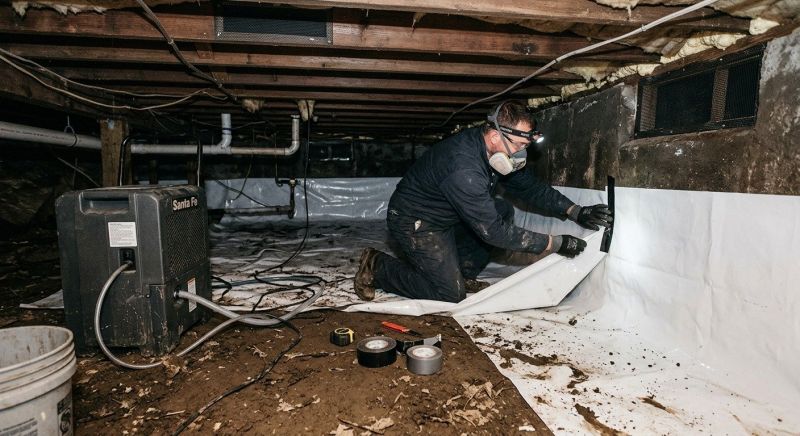
Vapor barriers are typically installed in crawl spaces, basements, and under concrete slabs to protect property foundations.
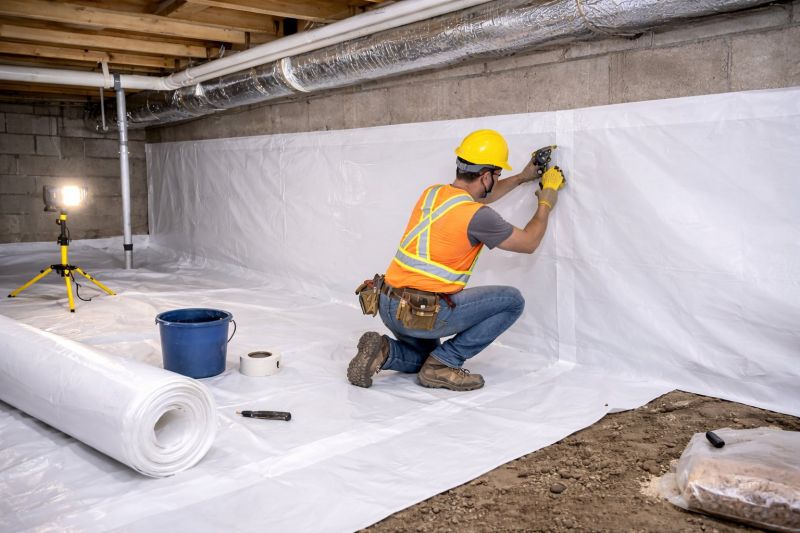
Material Options
Various vapor barrier materials are available, including polyethylene sheets and specialized membranes, suitable for different project needs.
Vapor Barrier Installation in Fort Wayne, IN

Vapor barrier installation is a service that involves placing a moisture-resistant layer beneath floors, in crawl spaces, or within basements to prevent ground moisture from seeping into the property. This barrier helps control humidity levels, reduce mold growth, and protect structural elements from water damage. Projects typically include installing vapor barriers in new construction, upgrading existing crawl spaces, or preparing areas for flooring installation, ensuring that moisture does not compromise the integrity of the space.
Homeowners considering vapor barrier installation often want to understand the types of materials used, the best placement for their specific property, and how the installation can improve indoor air quality and overall durability. It’s important to evaluate the current moisture levels, identify any existing issues with mold or water intrusion, and determine the appropriate size and type of barrier to meet the needs of the space. Proper installation can contribute to a healthier, more stable environment within the home.
Many property owners in Fort Wayne, IN look into Vapor Barrier Installation for repairs, replacements, upgrades, and appearance-related improvements.
Common Vapor Barrier Installation Jobs
Basement projects - vapor barriers help prevent moisture seepage and mold growth.
Crawl space encapsulation - installing vapor barriers reduces humidity and improves air quality.
Attic insulation - vapor barriers protect insulation from moisture damage and decay.
Concrete slabs - vapor barriers prevent ground moisture from affecting flooring and structural integrity.
Storage areas - vapor barriers help maintain dry conditions and protect stored items.
Renovation work - vapor barriers are essential for controlling moisture during remodeling projects.
Vapor Barrier Installation Questions
What is a vapor barrier? A vapor barrier is a material installed to prevent moisture from passing through walls, floors, or ceilings, helping to control humidity levels.
Why is vapor barrier installation important? It helps reduce mold growth, wood rot, and moisture damage by controlling moisture buildup within building structures.
Where are vapor barriers typically installed? They are commonly placed in basements, crawl spaces, underneath concrete slabs, and in attics to protect these areas from moisture.
What materials are used for vapor barriers? Common materials include polyethylene plastic sheeting, foil-backed membranes, and specialized vapor-retardant films.
Request Vapor Barrier Installation in Fort Wayne, IN
Use the quote form on this page to share the basics of your project and request more information for the type of work you need.